
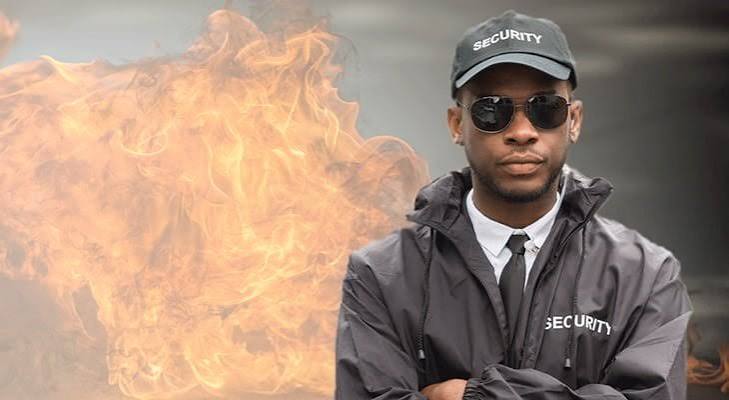
Professional monitoring personnel play an important role when safety systems become unavailable or when additional supervision is required. Trained guards help identify hazards, maintain observation records, and report concerns quickly. Businesses often rely on services such as fire watch dallas to support property protection while helping maintain compliance requirements. Their duties focus on reducing risks through regular patrols, accurate communication, and constant awareness. Understanding their responsibilities helps organizations prepare for safer operations whenever temporary monitoring becomes necessary.
What Duties Do Guards Perform Daily?
Professional personnel conduct routine patrols across assigned areas while checking for signs of danger. They observe conditions, document findings, and report concerns immediately. Their active presence helps reduce potential risks while supporting safe operations throughout monitored properties.
How Do Patrols Improve Site Safety?
Regular patrols provide continuous awareness of changing conditions. Monitoring personnel inspect designated locations carefully while remaining alert for hazards. Their observations help identify issues early, allowing corrective action before situations become larger concerns that affect operational stability.
How Does Communication Support Better Protection?
Quick reporting supports informed decision-making processes.
- Immediate updates help address concerns promptly.
- Accurate information supports effective response coordination.
- Communication procedures improve operational awareness greatly.
- Timely reporting reduces unnecessary delays significantly.
- Clear messages support safer working conditions.
Why Is Visible Presence Beneficial Here?
Visible personnel help maintain awareness continuously.
- Active patrols strengthen monitoring throughout properties.
- Consistent presence supports organized observation efforts.
- Personnel visibility encourages greater safety attention.
- Ongoing supervision improves hazard identification rates.
- Regular activity supports stronger protective measures.
Why Is Hazard Detection So Important?
Early detection supports faster response whenever risks appear. Personnel observe surroundings, identify unusual conditions, and communicate concerns promptly. This process helps reduce potential damage while supporting safer environments where protective systems require additional monitoring support.
When Are Monitoring Services Commonly Required?
Additional supervision may become necessary during equipment outages, maintenance activities, or temporary system failures. Trained personnel provide organized observation while helping maintain awareness. Their presence supports safety objectives during periods when automated protection measures remain unavailable.
How Are Temporary Outages Managed Properly?
Monitoring personnel provides coverage during disruptions.
- Continuous observation supports temporary protection requirements.
- Patrol schedules maintain awareness across facilities.
- Inspection activities reduce exposure to hazards.
- Personnel oversight improves operational confidence levels.
- Structured monitoring supports safer working environments.
What Advantages Come From Trained Personnel?
Knowledgeable personnel improve monitoring effectiveness significantly.
- Training supports accurate hazard recognition abilities.
- Prepared staff follow established response procedures.
- Professional oversight strengthens operational safety objectives.
- Personnel awareness improves overall property protection.
- Organized actions support dependable monitoring outcomes.
How Do Guards Handle Emergencies Effectively?
Prepared personnel follow established procedures during urgent situations. They communicate observations quickly, notify responsible parties, and support response efforts. This structured approach helps improve coordination while reducing delays that could increase potential operational risks.
What Training Supports Better Performance Standards?
Professional personnel receive instruction covering observation techniques, reporting requirements, and emergency procedures. This preparation supports effective monitoring activities while helping ensure responsibilities are performed correctly. Proper training contributes to dependable oversight across different operational environments.
Why Does Documentation Remain Necessary Always?
Accurate records help demonstrate completed patrols while supporting accountability. Personnel document observations, inspection times, and reported concerns carefully. These records provide useful information that supports compliance efforts while improving awareness of monitored conditions.
How Does Consistent Monitoring Help Operations?
Reliable supervision supports safer operational conditions.
- Regular patrols improve awareness across facilities.
- Continuous observation reduces unnoticed safety concerns.
- Monitoring efforts support operational stability goals.
- Personnel presence strengthens protective oversight measures.
- Structured activities improve overall risk management.
Organizations benefit greatly when qualified monitoring personnel provide dedicated oversight during critical situations. Their responsibilities include regular inspections, prompt communication, detailed documentation, and continuous observation of assigned areas. These activities help reduce exposure to potential dangers while supporting operational reliability. Many organizations rely on solutions such as fire watch dallas to strengthen preparedness while supporting safer property conditions over extended periods.